
Webinar: Plant Breeding on Nature’s Terms
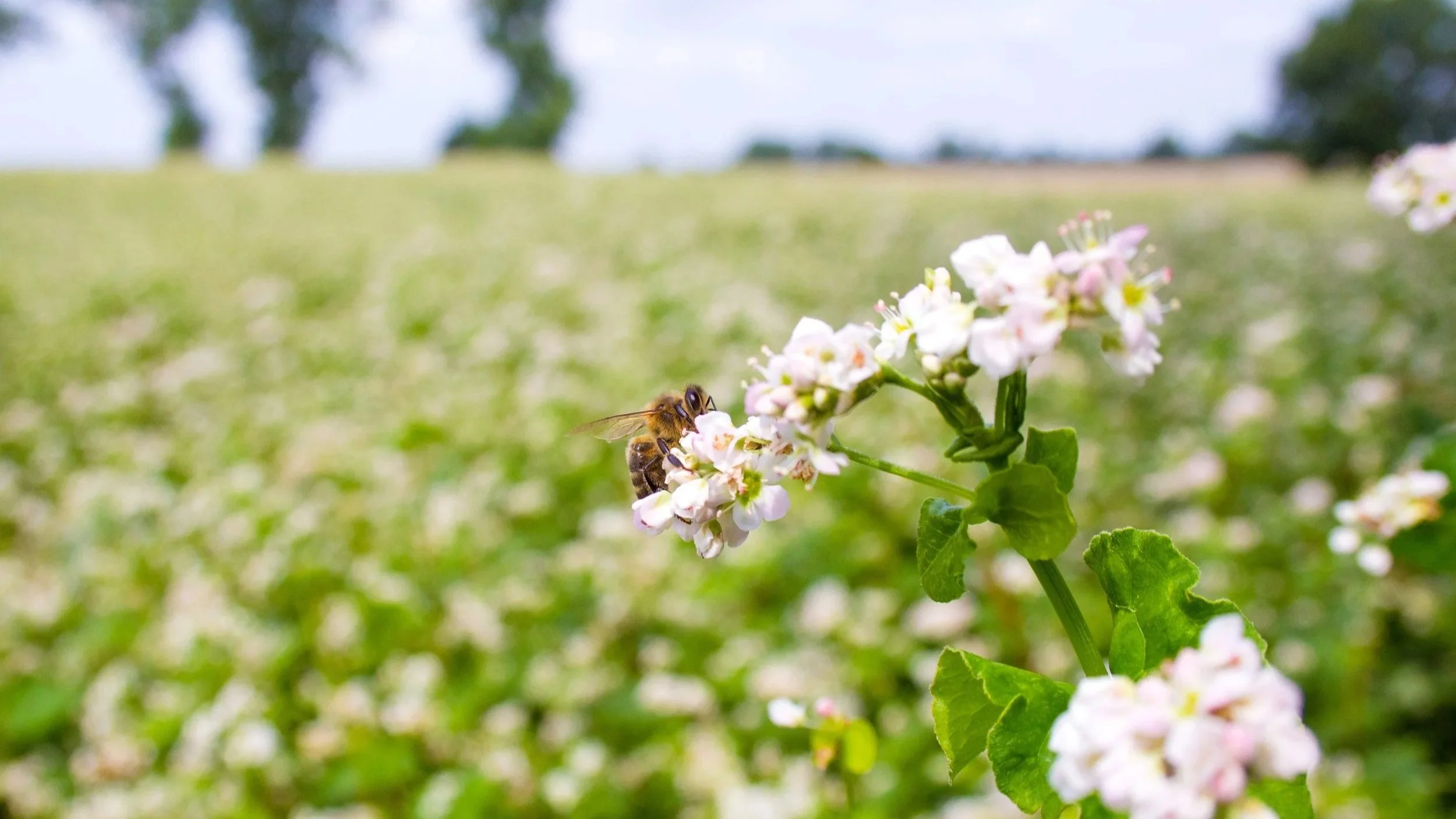
Photo: Mateusz, Adobe Stock.
Join an inspiring webinar on March 19 about how soil life and microorganisms can reduce the need for inputs in agriculture. Dr. Walter Goldstein is internationally recognized for his work with varieties that thrive in organic and biodynamic systems.
Rhizophagy and Microbiome‑Driven Plant Breeding for the Low‑Input Agriculture of the Future
Webinar platform: Teams
Language: English
Time: Thursday, March 19 at 18:00 CET
Duration: 1.5–2 hours including presentation and Q&A
Registration: Registration for Webinar with Dr. Walter Goldstein
It is free to participate. Register now, and we will send you a link prior to the webinar.
The webinar will also be held in Norwegian on March 12.
If any questions, send an e-mail to Anne Strøm Prestvik: anne.strom.prestvik@norgesvel.no
A Holistic View of Plants, the Microbiome, and Breeding
Plants are far more dependent on microbes than previously understood. Research from the Mandaamin Institute shows that plants actively select and recycle microorganisms throughout their life cycle, enhancing nitrogen fixation, mineral uptake, stress tolerance, and root development.
At the same time, Goldstein's breeding work shows that modern high‑input varieties have often lost key symbiotic abilities. His “partnership breeding” approach promotes plants that:
function in nitrogen‑limited and low‑input systems
actively collaborate with bacteria and fungi
exhibit higher nutritional value and improved robustness
show reduced susceptibility to disease, including Fusarium
The result is varieties that harness nature’s own processes and reduce the need for synthetic fertilizers—benefiting both yields and soil health.
In the Webinar, You Will Learn About
The rhizophagy cycle and why plants “harvest” microbes
The role of endophytes and root microbiomes in nutrition and stress management
Why the microbiome is crucial for low‑input agronomy
How breeding can strengthen plant–microbe cooperation
Examples from the Mandaamin Institute’s work with maize lines
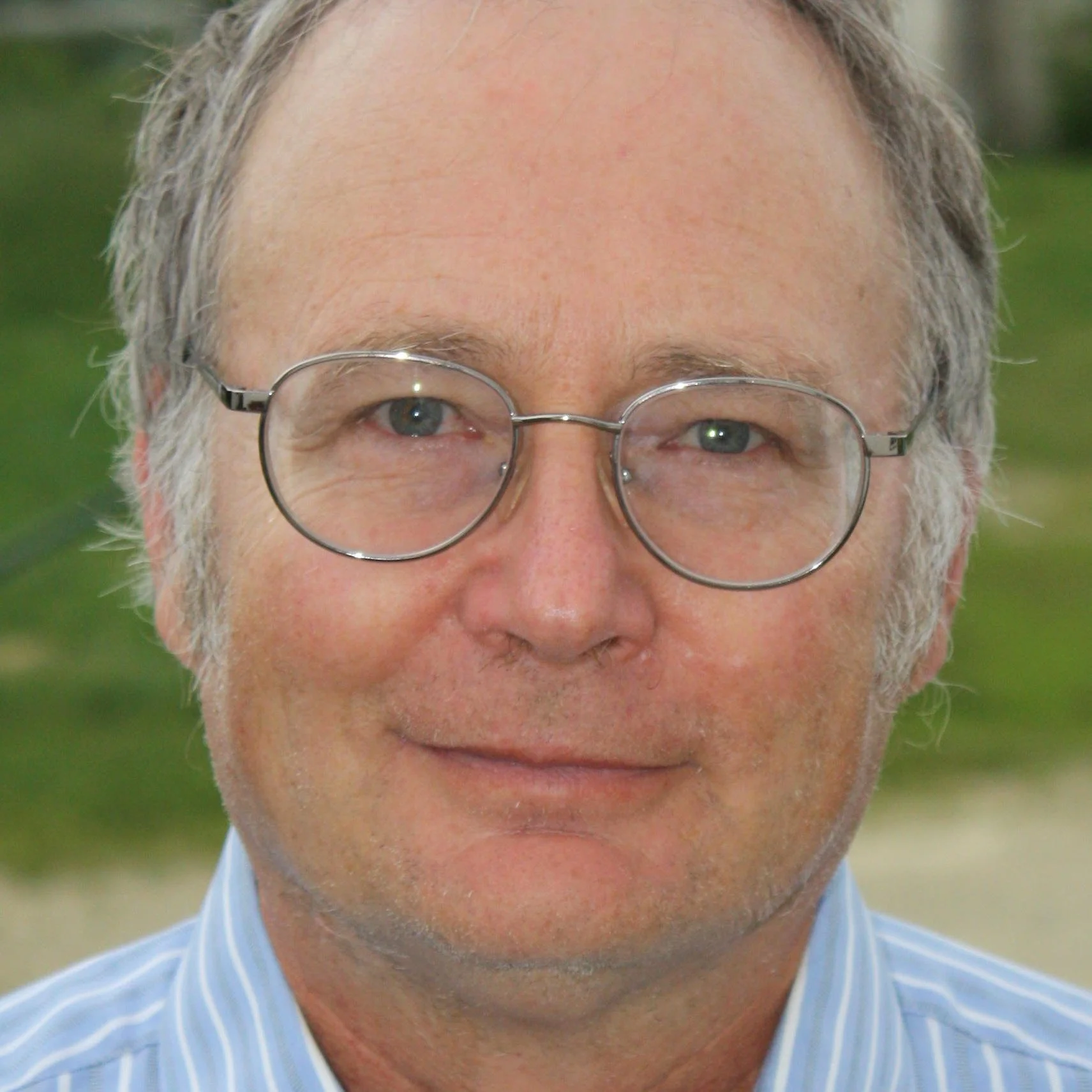
Dr. Walter Goldstein
PhD in Agronomy, Washington State University
Founder of the Mandaamin Institute (2011– )
Former Research Director (25 years) at the Michael Fields Agricultural Institute
A leading expert in nitrogen‑efficient and microbiome‑active maize breeding
Extensive experience in organic agriculture and international collaboration
The webinar is organized in collaboration with Vibhoda Holten, Sunn Jord AS, with funding from the Norwegian Agriculture Agency through the project National Competence Network for Soil Fertility.